·info@ducis.cl·Av. Apoquindo 4700, Of. 1102, Las Condes, Santiago, Chile
Freight forwarders·Mon to Fri, 9:00 – 18:00

Expertise · Mining equipment

Mining equipment

In mining, freight is almost never the number that matters. What matters is how much each hour costs while a piece of equipment stands idle waiting for a spare part.

That arithmetic changes every decision: which route is used, through which port the cargo enters and how much is paid to arrive sooner.

Two different operations under the same sector

Mining logistics is not one thing.

They are two, with opposite logics, and it pays to treat them separately from the quote onward.

Planned

Project

Capital equipment and components: mills, crushers, cells, conveyors, structures. They are planned months ahead, have an assigned budget and an assembly schedule. Here the problem is physical and contractual: the piece is large, the road to the site has to exist, and the arrival date is tied to an assembly window that moves a lot of people.
No warning

Maintenance and spare parts

Components, consumables and spare parts that sustain daily operations. They appear without warning, with real urgency and no time to plan. Here the problem is speed and traceability: you have to know where every piece is and when it arrives, because someone at the site is making production decisions with that information.

A forwarder that treats both the same fails at one of them. The project needs prior engineering; the spare part needs an immediate response.

What we have moved

Real operations, with their dimensions.

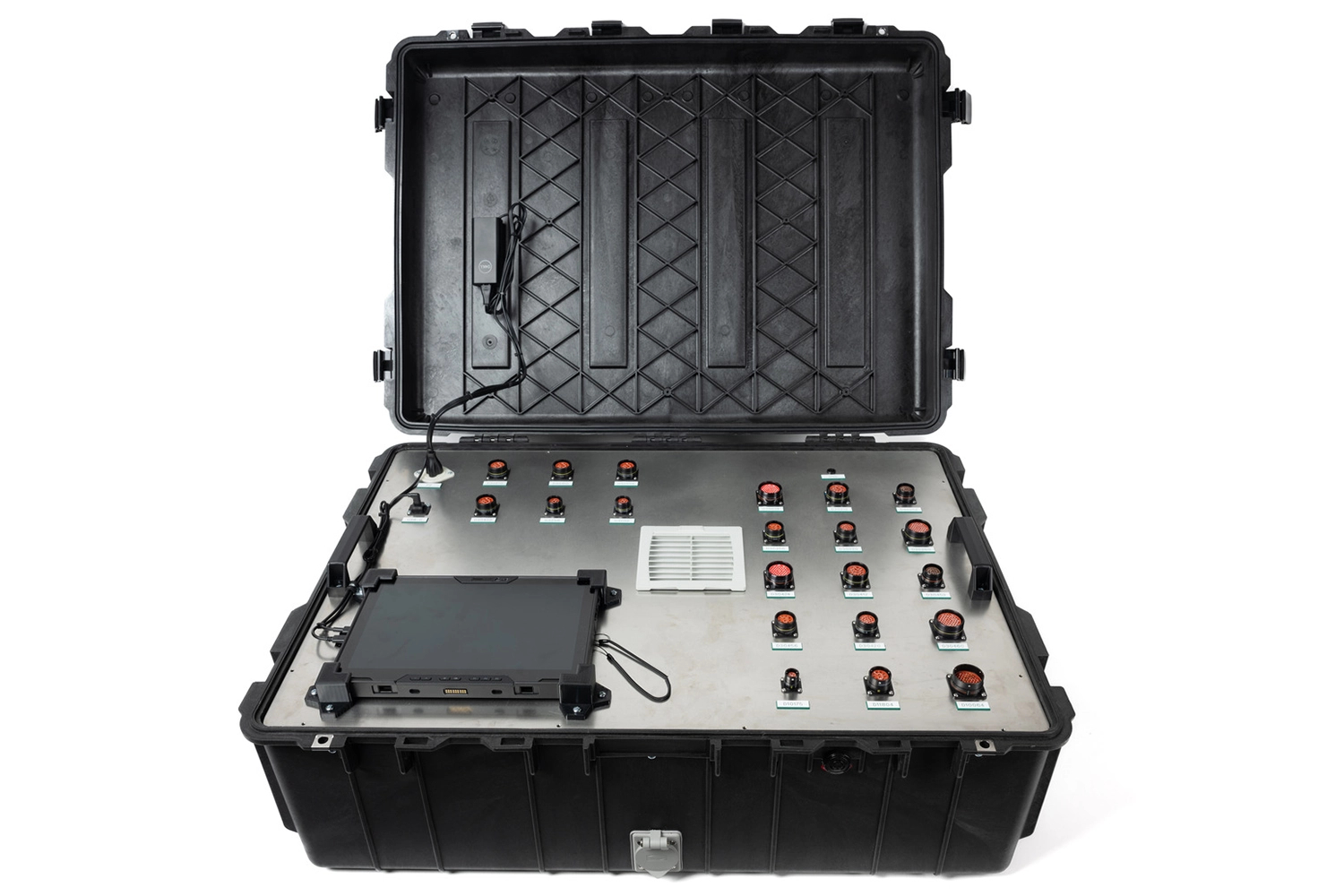
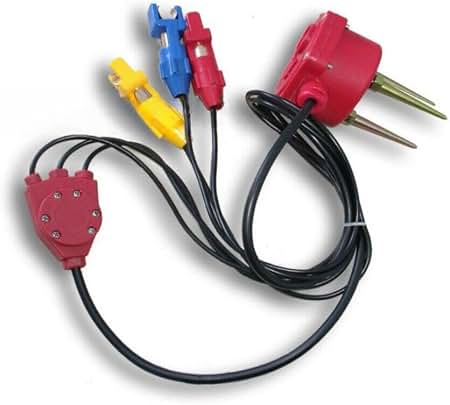
Portable Paladin 5 Data Acquisition System, ready for shipment in its carrying caseConnector and cabling of the Paladin 5 portable system
Air · Urgent spare part

Portable data acquisition system

What it was

Cargo
Portable Paladin 5 Data Acquisition System
Volume
0.15 CBM
Origin
Toronto (YYZ), Canada
Destination
Santiago (SCL), Chile
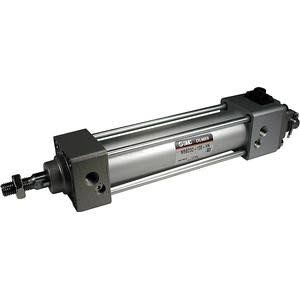
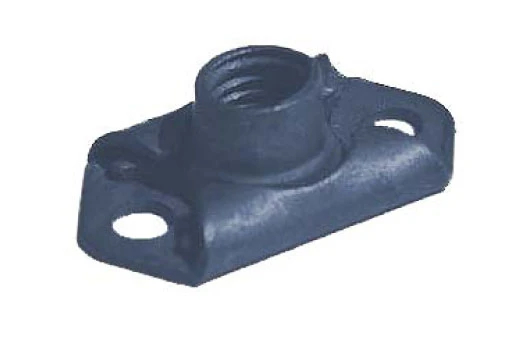
Hydraulic cylinder, spare part for a hydraulic hammerMounting bracket, spare part for a hydraulic hammer
Air · Urgent spare part

Spare parts for a hydraulic hammer

What it was

Cargo
Spare parts for a hydraulic hammer (hydraulic breaker)
Volume
1.05 CBM
Origin
Seoul (ICN), South Korea
Destination
Santiago (SCL), Chile

Through which port the cargo enters

The port weighs as much as the freight.

It is the first thing we check on a shipment bound for the north, and what changes the total cost most often. A container that discharges at San Antonio and must reach a mine site in the Antofagasta Region travels more than a thousand kilometers overland. The same container discharging at a northern port travels a fraction of that distance.

The difference in domestic transport can far exceed what is saved on ocean freight by choosing a port with a better rate.

What to look at to decide

  • Which ports are called at on the supplier’s route. Not every service coming from Asia calls at northern ports, and sometimes the option involves transshipment with additional days.
  • Whether the terminal has the necessary discharge equipment. For oversized cargo this overrides any other consideration.
  • How much the road leg weighs in the total cost. For heavy cargo bound for a mine site, it usually weighs more than the importer assumes.

When we choose each route

The criteria, not the procedure.

Ocean

It is the default for capital equipment and for everything that can be planned.

What decides the equipment is how much the piece exceeds the limits and in which direction. Open container when the excess is moderate, break bulk when no combination works, RoRo when the equipment moves on its own — which is common with earthmoving machinery.

What is underestimated: that a project shipment usually comes in many packages from more than one origin, and that it is of little use if it arrives incomplete. Coordinating the whole set weighs as much as transporting each piece.

Air

It is the route of unscheduled maintenance, and the reason urgent mining logistics exists.

The calculation the customer makes is not freight against freight. It is freight against hours of stopped production. When a line is down, an air freight several times more expensive than ocean is still the cheap decision.

What decides in practice: the real connection, not the flight time. A spare part that arrives in Santiago still has to go up north, and there the transfer can cost more days than crossing the Pacific. When the urgency justifies it, it is worth evaluating direct onward carriage.

What delays it most often: the supplier’s documentation. A spare part shipped with an incomplete description is held at customs, and all the expense of air is lost waiting.

Road

It is the final leg of almost everything, and the one that defines whether the operation goes well.

What decides it: the route survey to the site and the access conditions. Clearance height, usable width and curve radius are only the first part.

What mining adds: the private road. From the gate inward, the company’s rules apply, not those of the public road. Driver induction, vehicle accreditation, access hours, safety protocols. A truck that arrives without up-to-date accreditation does not get in, even if it has traveled two thousand kilometers.

What has to be planned: the receiving window. A cargo that arrives with no crane available generates waiting, and at the site waiting is expensive.

Before committing

What we check first.

  • Who receives it, the mining company or a contractor? It changes the documentation, the accreditation and sometimes the delivery point. Delivering to the site is not the same as delivering to the contractor’s yard.
  • What does the site require to let a truck in? Vehicle accreditation, driver induction, safety equipment, time window. It is found out beforehand, not at the gate.
  • Are the dimensions from the drawing or from the supplier? The question that has prevented the most problems. An estimated measurement invalidates the entire plan.
  • Can the equipment be dismantled? Sometimes the answer changes the entire shipment, and with it the cost.
  • What happens if it is delayed? In a project, the assembly window. With a spare part, the hours of production. Knowing what is at stake defines how much it is worth spending to gain days.

What the mining customer asks for

And does not always get.

  • Traceability that is useful for making decisions. It is not enough to know that the cargo is in transit. At the site someone is scheduling a shutdown based on when the piece arrives.
  • A contact who answers. Emergencies at the site do not happen during office hours.
  • Early warning of a problem. A delay communicated in time allows rescheduling. The same delay communicated on the day of delivery has already generated cost.

Next step

Equipment to bring in or a piece that is stopped?

Send us the details. We tell you which route and which port make sense, and what it would take for it to reach the site on the date you need.