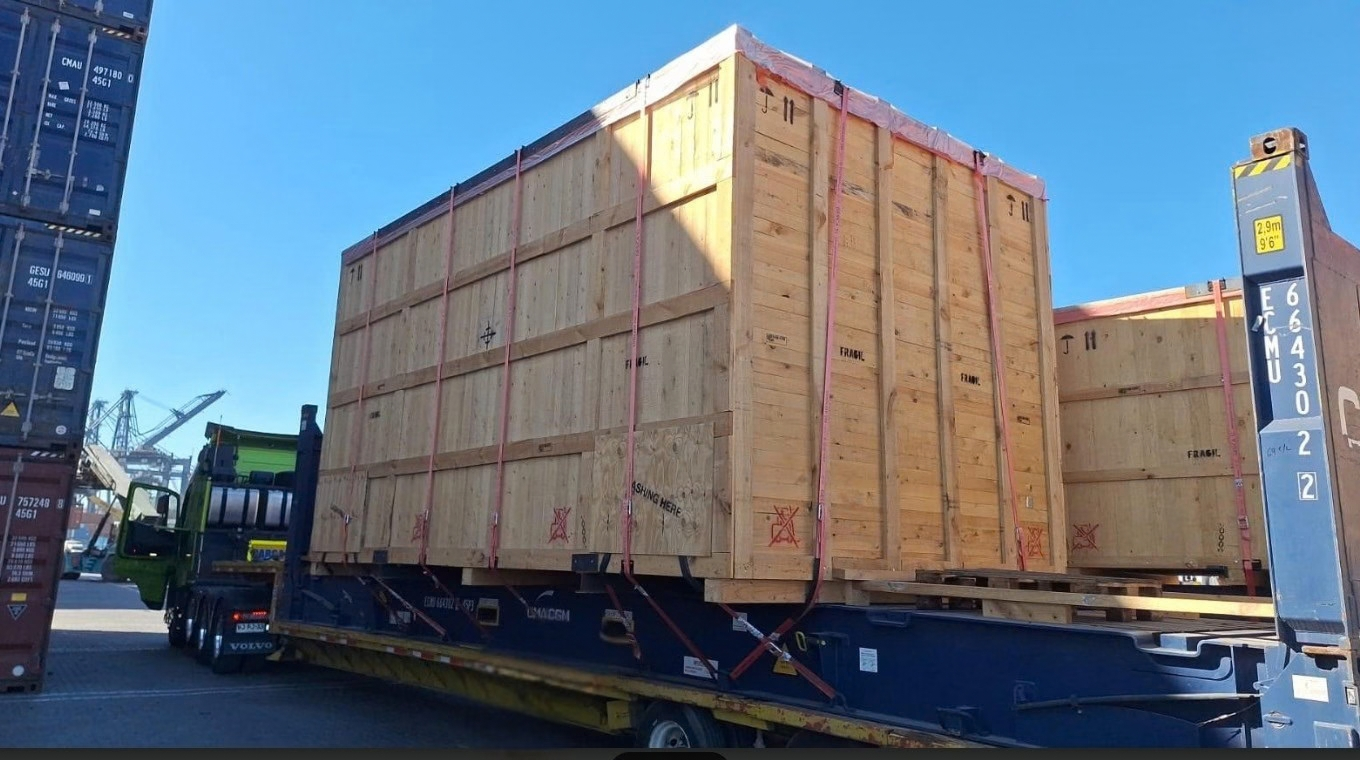
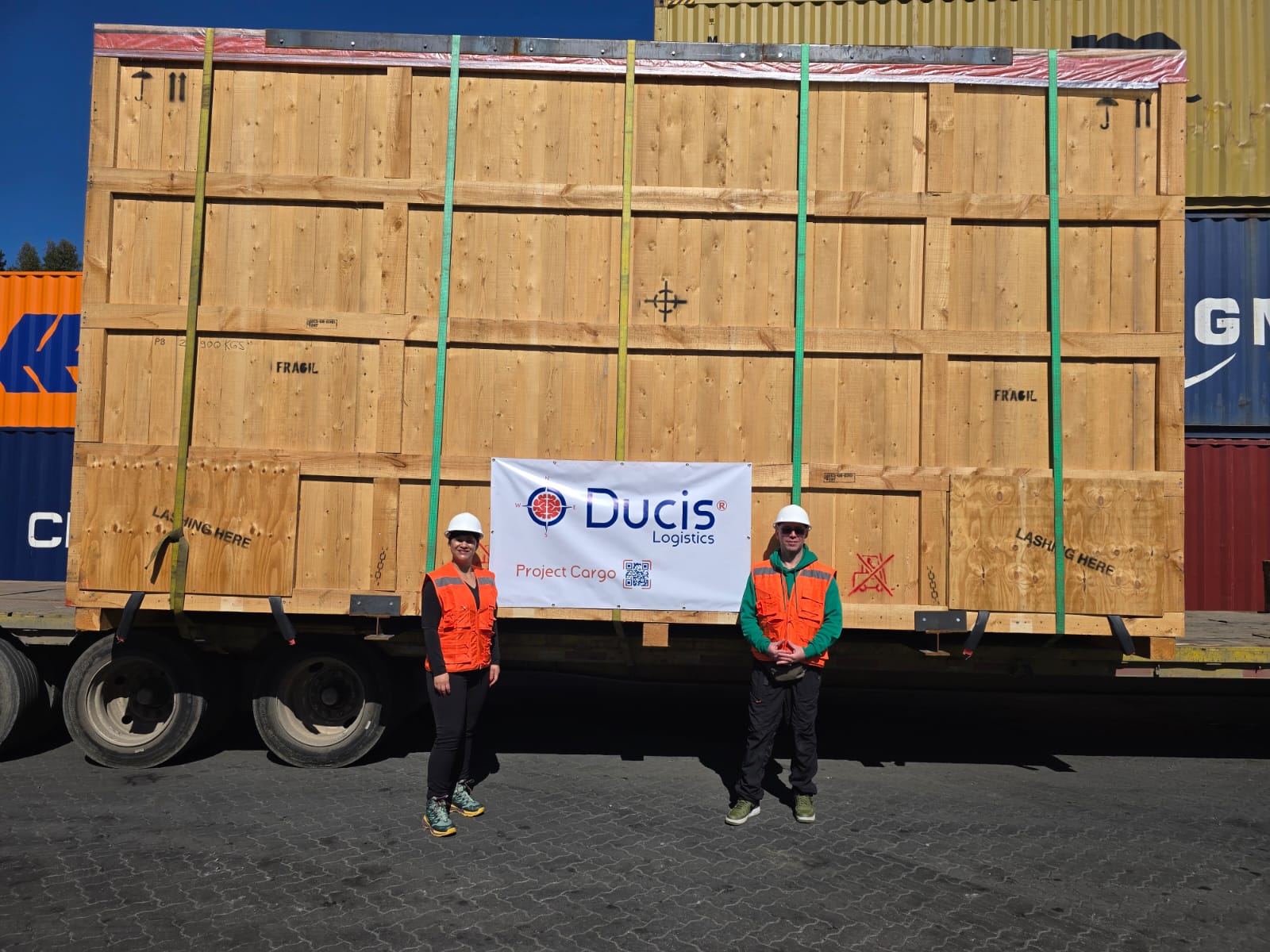
Vertical machining plant for a machine shop
What it was
- Cargo
- Vertical machining plant
- Weight
- 17,000 kg
- Origin
- Barcelona (ESBCN), Spain
- Destination
- San Antonio (CLSAI), Chile
Expertise · Oversized cargo
A piece stops being ordinary cargo when it does not fit through the door of a container. From there every shipment is different, and what decides the outcome is not the rate but the decisions made before anything moves.
These are operations we have carried out and what each one taught us.
What we have moved
What it was
What it was
When we choose each route
It is the starting point for almost all oversized cargo. It has no practical weight ceiling and offers equipment alternatives that no other mode matches.
What decides the choice of equipment is how far the piece overhangs and in which direction. Excess height can usually be solved with an open top. Excess width forces a flat rack and blocks stowage slots around it, which changes the cost in a way that surprises the importer: a piece that overhangs only slightly on each side can pay as if it occupied several containers.
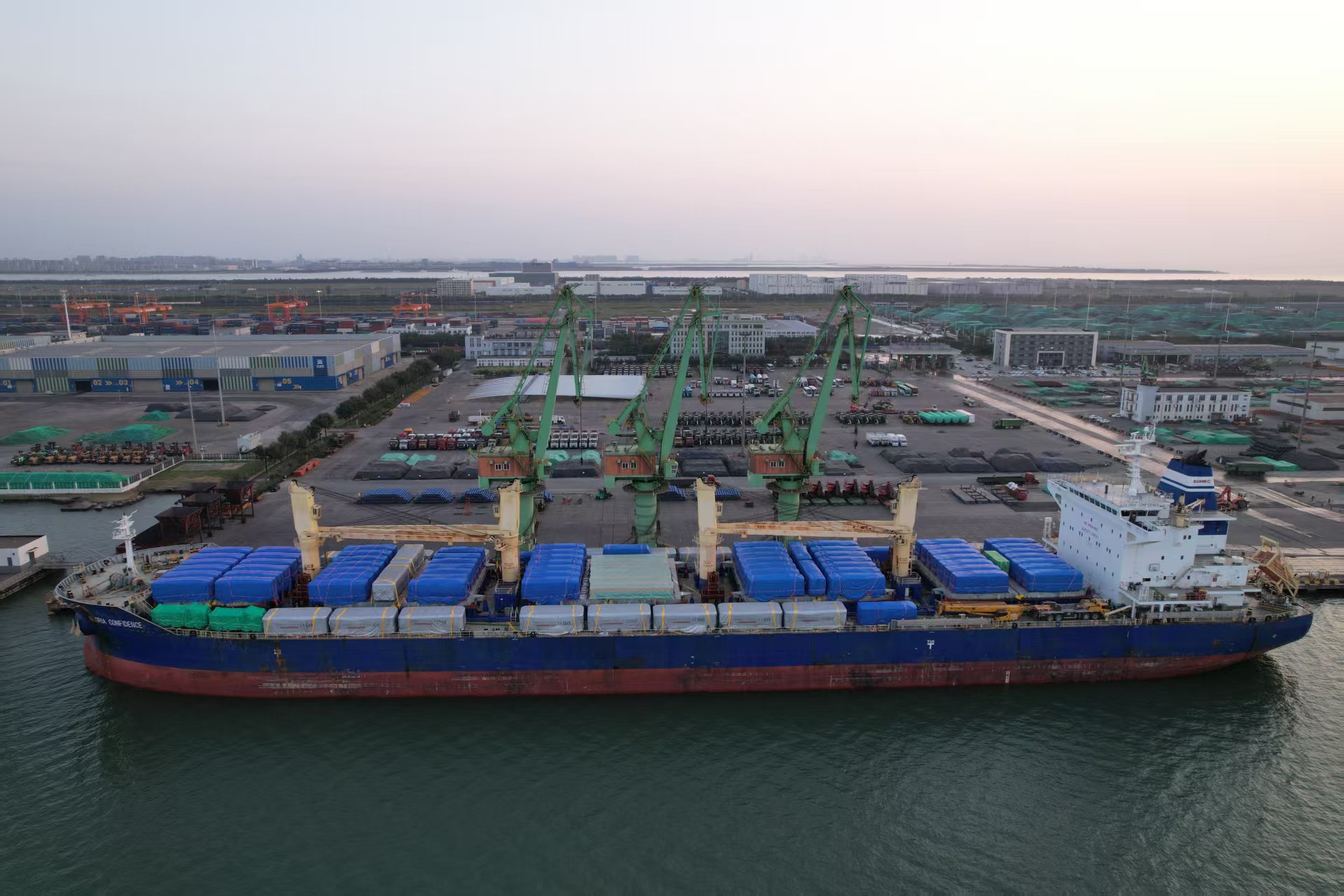
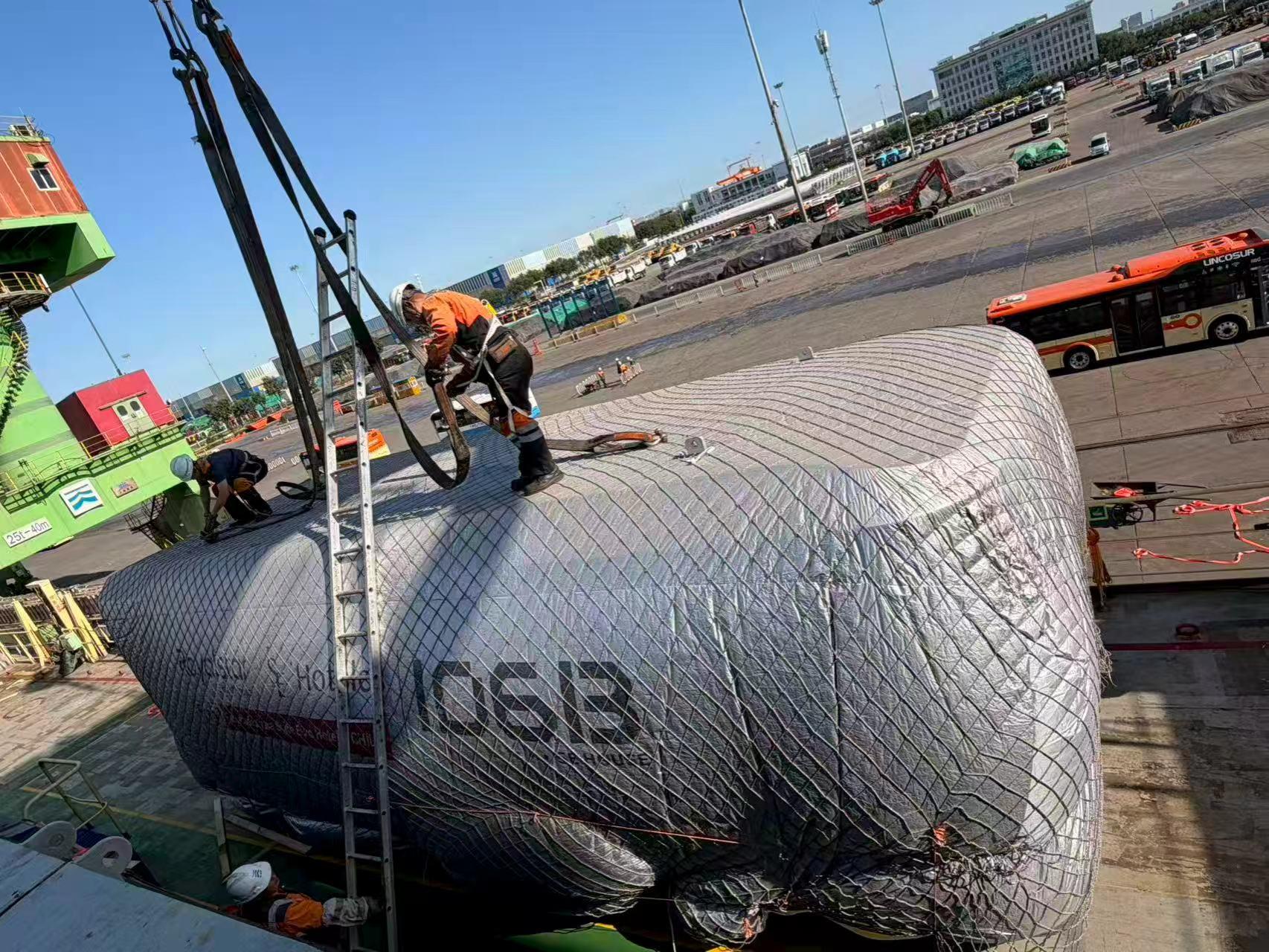
When no combination of open equipment works, the cargo goes loose in the hold. There, frequencies drop and you have to plan further ahead, because general cargo vessels do not follow the schedules of container ships.
What has changed a plan most often: the port. Terminals are not equivalent in available crane capacity or in storage space. A piece that discharges without problem at one terminal can be unworkable at another in the same country.
It is chosen when the cost of a stopped operation exceeds any freight. It is not a logistics decision but a production one.
What limits it almost always is not the hold but the door. A piece that would fit inside may be impossible to get in. That is why the first question about a large cargo that wants to fly is not how much it weighs, but how wide it is at its widest side.
What is underestimated: weight per support point. A compact, heavy piece can exceed the aircraft’s floor load limit per square meter even if its total weight is acceptable. That forces it to be spread over a special base, which has to be made and takes time.
Every oversized shipment ends in a road leg, and that is where more operations get complicated.
What decides it: the route survey. The clearance height of every bridge and every cable, the usable width at narrow points, the radius of the curves, the gradient of the access roads.
What we have learned: finding the obstacle in the survey costs time. Finding it with the truck stopped halfway costs much more, and in some cases has no solution without dismantling the piece.
What the north of the country adds: the mine site has its own conditions. Altitude, private roads with their own rules, tight access windows. A plan that works up to the gate can fail inside.
Before committing to a shipment
These are the questions we ask first. They are not a procedure: they are what experience taught us to ask.
Vocabulary
To understand what we are going to tell you.
Next step
If you have equipment to move and are not sure it is viable, send us the drawing. We tell you whether it can be done and what it would take, before you commit to a date with your supplier.